
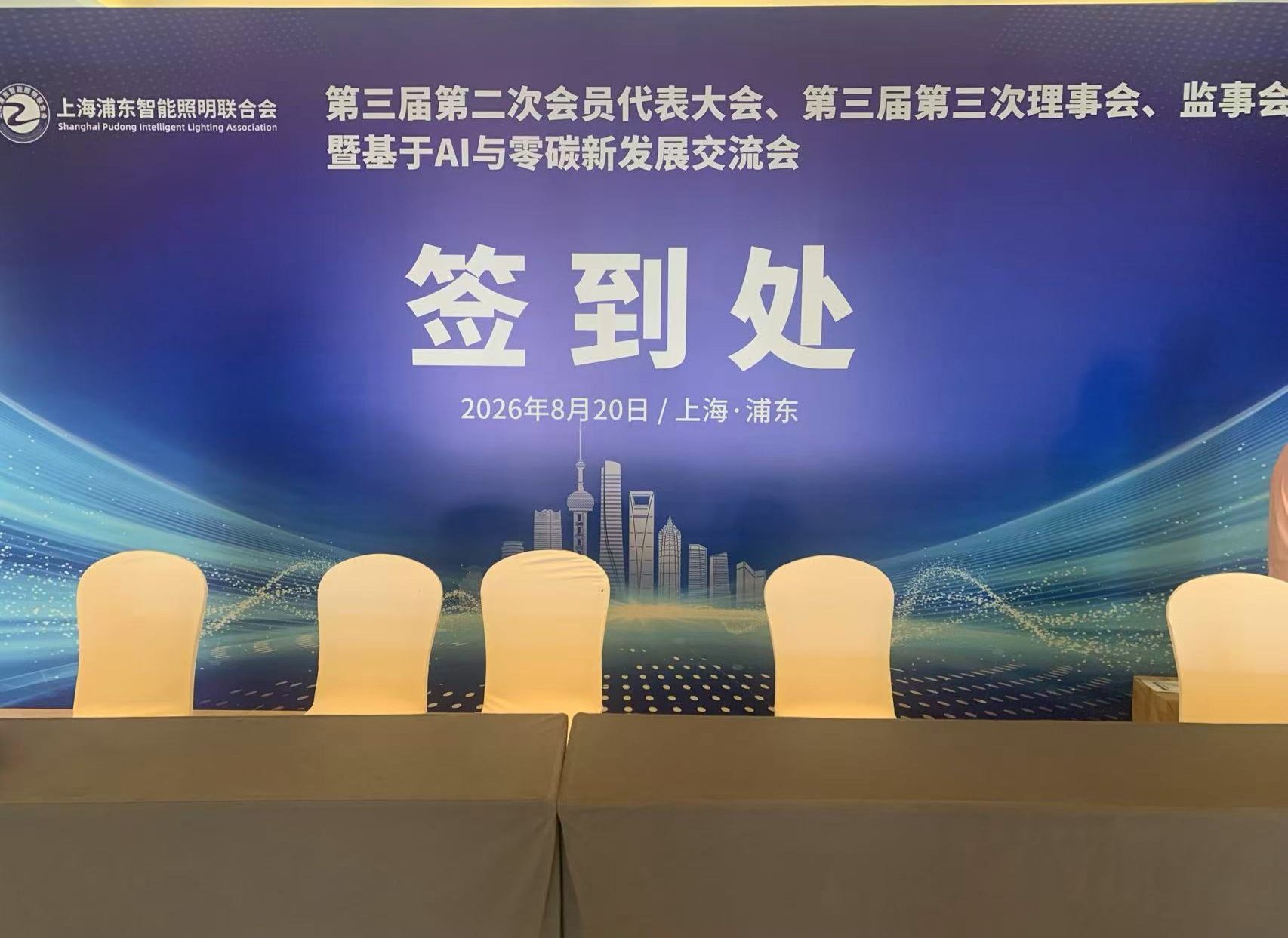
Last week, I attended the member meeting and forum organized by SILA (Shanghai Pudong United Lighting Association). Drawing on my own experience, here are four observations:
First, the era of software-defined hardware has arrived. In consumer lighting—whether for B2B customers or end users—software, not hardware, will determine the winners. Brands like Govee and Signify Hue have already validated this path: hardware is the foundation, but software is the source of differentiation and pricing power.
Second, the value of LED is expanding from “illumination” to “light as a service.” LED products no longer merely provide basic lighting; through color temperature, spectral tuning, and software algorithms, they deliver mood setting, emotional regulation, light therapy, sleep assistance, and more. Think wake-up mode, nap mode, sleep mode—light can take a thousand forms.
Third, AI brings opportunities to smart lighting, but the industry faces a data gap. Advances in AI are making truly intelligent lighting possible, yet the lighting industry—across consumer, design, and manufacturing sides—lacks high-quality, well-governed data. Leading brands like Govee and Hue have their own data but won’t open it up to small and medium-sized sellers. Those sellers lack both talent and data, and need platforms to provide enablement.
Fourth, practitioners have two paths forward. For founders, product managers, R&D teams, manufacturers, and designers in the industry, to truly create value for users, you either build your own software platform and extend your feature set, or you partner with an enabling platform to jointly deliver value beyond illumination.
Version:V1.0,Contents:By LED Product Manager,Time:Aug-24-2026,Space:Dongguang.
Leave a Reply